
High-Performance Brake Pads: The Key to Reliable and Quiet Stopping
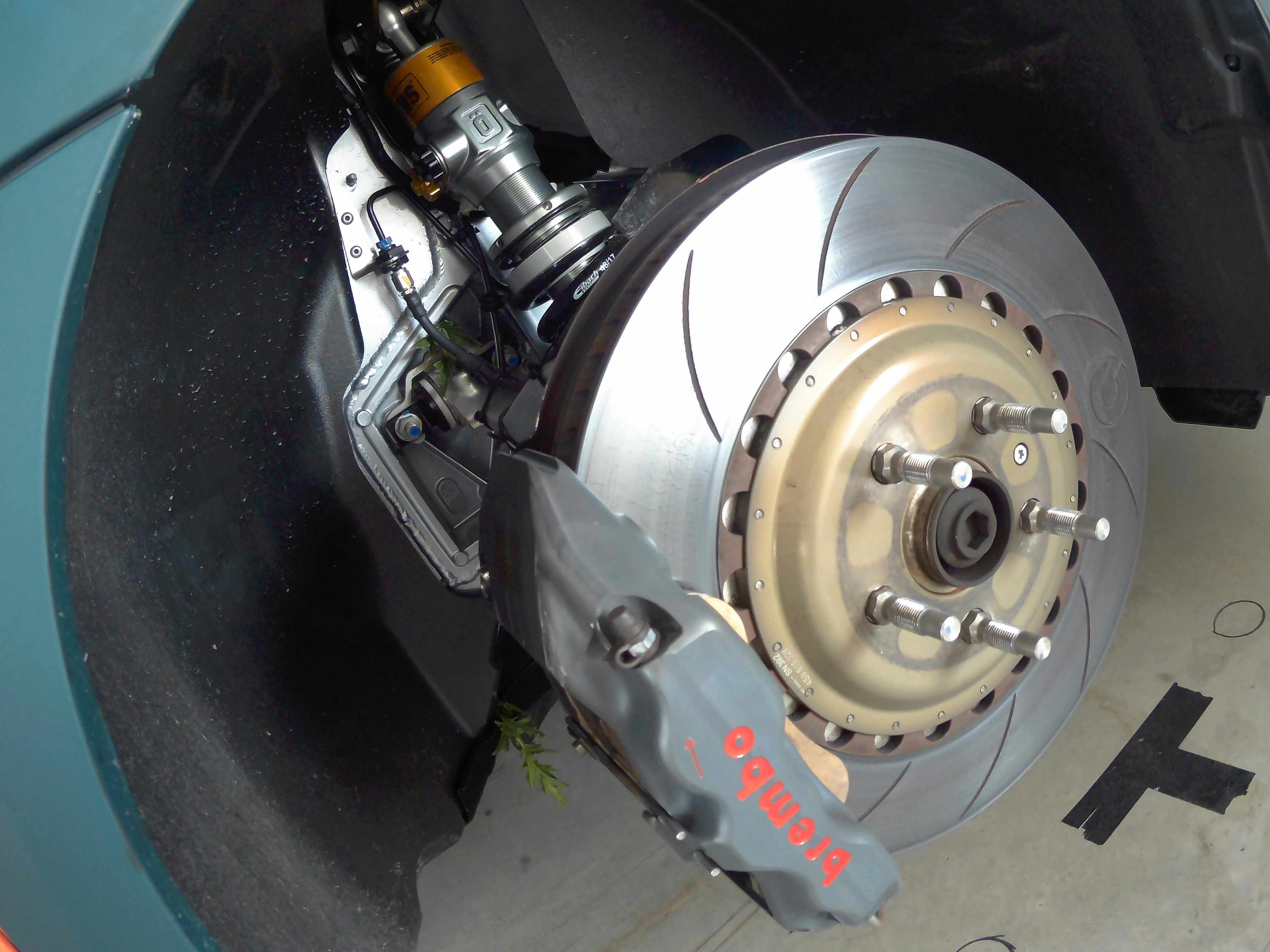
Introduction to Brake Pads
Brake pads are a vital component of a vehicle’s braking system, playing a crucial role in ensuring safety and reliability on the road. These pads, typically made of a friction material, are installed within the brake caliper and are responsible for clamping down on the brake rotor when the brakes are applied. This action creates the necessary friction needed to slow down or halt the vehicle, making brake pads essential for effective braking performance.
The importance of high-quality brake pads cannot be underestimated. They are designed not only to provide strong and reliable stopping power but also to ensure minimal noise and wear during braking. Different types of brake pads cater to varying driving needs. For everyday vehicles, organic and semi-metallic brake pads are commonly used due to their satisfactory balance of performance and cost-effectiveness. However, for those who demand more, especially in high-performance and racing scenarios, high-performance brake pads are engineered to withstand greater thermal stress and provide better stopping power.
These specialized high-performance options utilize advanced materials, offering improved friction characteristics and enhancing overall braking efficiency. They often feature upgraded technologies such as slotted designs to help dissipate heat and prevent brake fade, making them ideal for high-speed driving or aggressive braking situations.
In addition to performance considerations, choosing the right brake pads also contributes to the longevity of the braking system. By selecting pads that are well-suited for both the vehicle type and driving conditions, drivers can enhance their vehicle’s safety features while ensuring smoother and quieter operation. Ultimately, understanding the types and functions of brake pads is crucial for making informed decisions about vehicle safety and performance.
What Are High-Performance Brake Pads?
High-performance brake pads are specialized braking components designed to exceed the performance of standard brake pads, particularly under demanding driving conditions. Constructed from advanced materials such as carbon composite, ceramic, or semi-metallic compounds, these brake pads offer improved braking efficiency, heat resistance, and longevity compared to traditional options. Their design often incorporates specific features such as slotted or drilled patterns, which maximize surface area for better contact and heat dissipation.
The key difference between high-performance and standard brake pads lies in their intended applications. While standard brake pads are suitable for everyday driving, high-performance variants are tailored for environments where enhanced stopping power and reduced fade are crucial. This makes them particularly beneficial for sports cars, racing vehicles, or any automobile subjected to more aggressive driving styles, including frequent stops and high-speed maneuvers.
Another notable advantage of high-performance brake pads is their ability to minimize noise and vibration during braking. Many high-performance options are designed with innovative noise-reduction technologies, ensuring a quieter, smoother driving experience. Additionally, the superior materials used contribute to less brake dust, keeping wheels cleaner over time. For drivers who prioritize responsiveness and reliable braking performance, especially in challenging conditions, investing in high-performance brake pads can significantly enhance vehicle safety and driving enjoyment.
In summary, high-performance brake pads represent a significant upgrade over standard versions, providing benefits in both safety and driving experience. Their tailored design and materials enable optimal performance across various driving scenarios, from everyday commutes to spirited track days.
Benefits of Using High-Performance Brake Pads
High-performance brake pads are an essential component for vehicles, especially those that experience intensive driving conditions. One of the primary benefits of investing in high-performance brake pads is improved braking response. Unlike standard brake pads, high-performance options provide greater stopping power and quicker engagement. This enhanced responsiveness is particularly advantageous in situations that require immediate braking, such as emergency stops or high-speed driving on racing tracks.
Another significant benefit is the reduction of brake fade during intense or prolonged braking scenarios. Brake fade occurs when brake pads become less effective due to overheating, leading to diminished braking performance. High-performance brake pads are engineered with advanced materials that can withstand higher temperatures, thereby maintaining consistent braking efficiency even under extreme conditions. This feature is paramount for race car drivers and those using vehicles for heavy-duty tasks.
Furthermore, high-performance brake pads contribute to quieter operation. Many conventional brake pads produce noise during braking, which can be quite bothersome for drivers and passengers alike. High-performance variants, on the other hand, are designed to minimize noise, leading to a more pleasant driving experience. The advanced materials and design help reduce vibrations and rattling noises, providing a smoother and quieter stop.
Lastly, the longevity of high-performance brake pads is a significant advantage. While they may come at a higher initial cost, their durability often outweighs the expense. High-performance pads are constructed to endure more wear and tear, ultimately requiring less frequent replacement. This extended lifespan not only saves money in the long run but also fosters greater confidence in the vehicle’s braking system through all driving conditions.
How High-Performance Brake Pads Contribute to Safety
High-performance brake pads play a crucial role in enhancing the safety and reliability of vehicles, particularly in diverse driving conditions. Unlike standard brake pads, high-performance variants are engineered with advanced materials and designs that significantly improve their stopping power. This characteristic is particularly vital during emergency situations where every second counts. The ability of high-performance brake pads to offer superior performance can reduce stopping distances, ultimately preventing potential collisions and ensuring driver, passenger, and pedestrian safety.
Another significant advantage of high-performance brake pads is their effectiveness under challenging conditions such as wet or slippery roads. These brake pads are designed to maintain consistent friction levels, even when exposed to moisture, which is often a critical factor in accidents. Their enhanced grip allows for more reliable braking, instilling confidence in drivers who might otherwise hesitate in poor weather conditions. Additionally, high-performance brake pads can withstand higher temperatures without experiencing brake fade, which is a common issue with traditional pads during extended braking periods. This thermal stability ensures that vehicles can be slowed down effectively, regardless of the driving environment.
Moreover, the reliability of high-performance brake pads is notable during rigorous driving activities, such as racing or heavy towing. Drivers benefit from the increased consistency and responsiveness provided by these specialized components, which is essential in maintaining control of the vehicle. The overall improved braking system not only contributes to a safer driving experience but also enhances the longevity of other braking components. Therefore, investing in high-performance brake pads is not merely about enhancing stopping force; it is also an investment in overall vehicle safety, making it an essential consideration for any vehicle owner.
Factors to Consider When Choosing Brake Pads
When selecting high-performance brake pads, several key factors should guide your decision to ensure safety, comfort, and effectiveness. The material composition of brake pads significantly impacts their performance. Common materials include organic, metallic, semi-metallic, and ceramic compounds. Organic brake pads, known for their quiet operation and minimal wear on rotors, might not offer the same performance under severe conditions compared to semi-metallic pads, which deliver excellent stopping power and durability. Ceramic pads, on the other hand, offer a balance of low noise, less dust, and high performance, making them suitable for various driving conditions.
Additionally, compatibility with your vehicle is crucial. Not all brake pads are suitable for every make and model, and using incompatible pads can lead to suboptimal performance or even damage to your vehicle’s braking system. Therefore, refer to the vehicle owner’s manual or consult with a certified mechanic to identify the appropriate brake pads for your specific vehicle.
Your individual driving habits also play a vital role in selecting brake pads. For instance, if you frequently engage in high-speed driving, take long commutes, or drive in hilly terrains, you may require pads that can withstand more wear and provide superior performance under such conditions. Conversely, for typical city driving with minimal demand on braking performance, a less aggressive pad may suffice.
Furthermore, consider the performance requirements based on driving conditions. Different environments such as urban settings, highway driving, or off-road adventures necessitate specific braking responses. High-performance brake pads designed for varied conditions can enhance safety and improve overall driving experience. Each factor, from material to driving style, influences the choice of brake pads, ensuring effective and reliable stopping capabilities.
Installation and Maintenance of High-Performance Brake Pads
Installing high-performance brake pads is crucial for achieving effective braking performance and maintaining vehicle safety. The installation process begins with gathering the necessary tools, which typically include a lug wrench, socket set, jack, and brake cleaner. Ensuring a safe work environment is equally important; this involves parking the vehicle on a flat surface, engaging the parking brake, and using wheel chocks to prevent movement.
Once the vehicle is secured, the next step is to remove the wheel. This allows access to the brake assembly. It is advisable to inspect the entire braking system for any wear or damage before proceeding with the installation of the new brake pads. Removing the caliper bolts will typically reveal the old pads, which should be taken out carefully. At this stage, the brake rotor should also be checked for any signs of uneven wear or scoring.
Before installing the high-performance pads, cleaning the caliper and rotor surfaces with brake cleaner is recommended to eliminate dust and debris that could compromise performance. When installing the new pads, make sure to apply a thin layer of brake grease on the back of the pads to reduce noise and prevent potential squeaking. After positioning the pads, reattach the brake caliper, and ensure that all bolts are tightened to the manufacturer’s specifications.
Maintenance of high-performance brake pads is equally essential. Regular inspection is recommended, particularly after any performance driving or heavy use. Look for signs of wear, such as uneven surfaces or reduced braking efficiency. Additionally, it is wise to check the brake fluid levels and change them as necessary, as contaminated fluid can adversely affect braking performance and compromise safety. By adhering to these installation and maintenance guidelines, drivers can ensure their high-performance brake pads deliver optimal performance and longevity.
Common Myths About Brake Pads
Understanding the functionality and characteristics of brake pads is essential for vehicle maintenance and safety. There are numerous myths surrounding brake pads and braking systems that can mislead drivers. One prevalent misconception is that all brake pads are created equal. In reality, there are significant differences between high-performance brake pads and standard options. High-performance pads are designed for superior stopping power and effective heat dissipation, making them ideal for demanding driving conditions. Standard pads, while sufficient for everyday use, may degrade faster under extreme conditions.
Another common myth is that brake pads are solely responsible for generating noise during braking. While it is true that worn or low-quality brake pads can create unpleasant sounds, other factors can contribute to brake noise. Components, such as rotors or calipers, can wear or become misaligned, resulting in noise that may be mistakenly attributed to the pads themselves. Regular inspections of the entire braking system can help identify the source of such problems and avoid unnecessary replacements.
There is also the belief that brake pads do not need to be replaced until they make a squeaking sound. This notion can be misleading; many high-performance brake pads are designed to provide efficient performance and wear indicators that may not always manifest as noise. It is crucial for vehicle owners to be proactive in monitoring brake pad thickness and condition, adhering to manufacturer recommendations for maintenance intervals.
Finally, the idea that more expensive brake pads do not yield better performance is often debated. High-quality brake pads typically incorporate advanced materials and designs that enhance braking efficiency and prolong lifespan. Embracing these facts can help ensure safe driving experiences while improving the longevity and reliability of your braking system.
Real-World Experiences: Testimonials and Case Studies
Many drivers have made the switch to high-performance brake pads, experiencing significant improvements in their vehicles’ stopping capabilities and overall performance. For instance, a driver of a 2018 Honda Civic noted a remarkable reduction in stopping distance after installing premium brake pads. This particular driver reported, “I felt like my car had a new lease on life. The responsiveness during daily commutes and emergency stops improved dramatically.” Such feedback underscores the advantages that high-performance brake pads offer regarding safety and control.
A case study involving a fleet of delivery vans further emphasizes the benefits. The logistics company decided to upgrade to high-performance brake pads for their vehicles, primarily aiming to enhance safety during heavy loads and frequent stops. The fleet manager reported not only improved braking performance but also noted that the reduced wear on brake components lowered maintenance costs significantly. “Switching to these brake pads turned out to be a wise financial decision,” he stated. This highlights that high-performance brake pads can offer both immediate safety benefits and long-term cost savings.
Another compelling testimony comes from a sports car enthusiast who installed high-performance brake pads on a 2020 Ford Mustang. This driver experienced a notable reduction in brake fade during aggressive driving scenarios at local tracks. “I was able to push my car to its limits without worrying about losing stopping power,” he shared, demonstrating how high-performance pads can cater to driving enthusiasts seeking optimal performance.
In summary, these testimonials and case studies reveal a common narrative: high-performance brake pads significantly enhance driving safety, offer improved responsiveness, and can ultimately protect a vehicle’s brake system from premature wear. The switch to these pads not only elevates the driving experience but also provides long-term financial benefits.
Conclusion: The Value of High-Performance Brake Pads
Choosing high-performance brake pads is crucial for ensuring your vehicle operates safely and efficiently. Throughout this article, we have highlighted the numerous advantages these brake pads offer over standard options. High-performance brake pads provide enhanced stopping power, reduced noise, and increased durability, all of which contribute to a more confident driving experience.
First and foremost, safety is paramount when it comes to vehicle performance. High-performance brake pads are designed to deliver superior braking efficiency, especially under demanding driving conditions. Whether you are navigating winding roads or stopping quickly in emergency situations, investing in high-quality brake pads can mean the difference between a safe stop and a potentially hazardous situation.
Moreover, the reliability of these brake pads cannot be overstated. With consistent performance across a wide temperature range, high-performance pads maintain their effectiveness longer than standard ones, minimizing the risk of brake fade and ensuring that drivers can rely on their braking system in critical moments. This reliability extends not only to the pads themselves but also to the overall longevity of the braking system, which can lead to fewer replacements and repairs over time.
In addition, many high-performance brake pads are engineered for quiet operation, significantly reducing the noise typically associated with brake use. This is particularly beneficial for drivers who prioritize a calm and comfortable driving environment. As we have discussed, the combination of safety, reliability, and quiet function positions high-performance brake pads as a wise choice for any vehicle.
As you consider upgrading your vehicle’s braking system, it is essential to weigh these factors carefully. Prioritizing high-performance brake pads will ultimately enhance not only your safety but also your overall driving experience.